

If you've been Googling "how do I transition my baby from swaddle to sleep bag", you're in the right place. Most babies are ready to move on from swaddling somewhere between 3 and 6 months. The key is knowing what signs to look for, and having a simple plan to make the change as smooth as possible.
Why Swaddling Works So Well in the Early Weeks
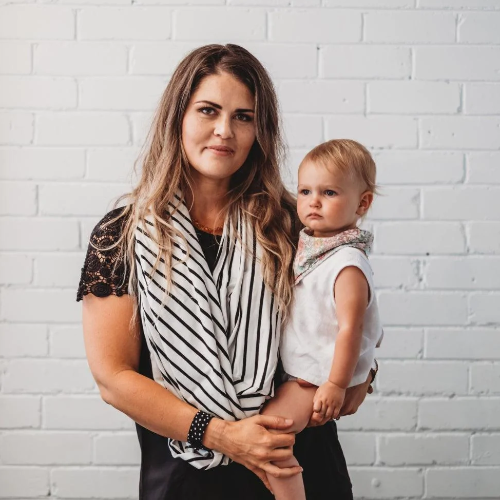
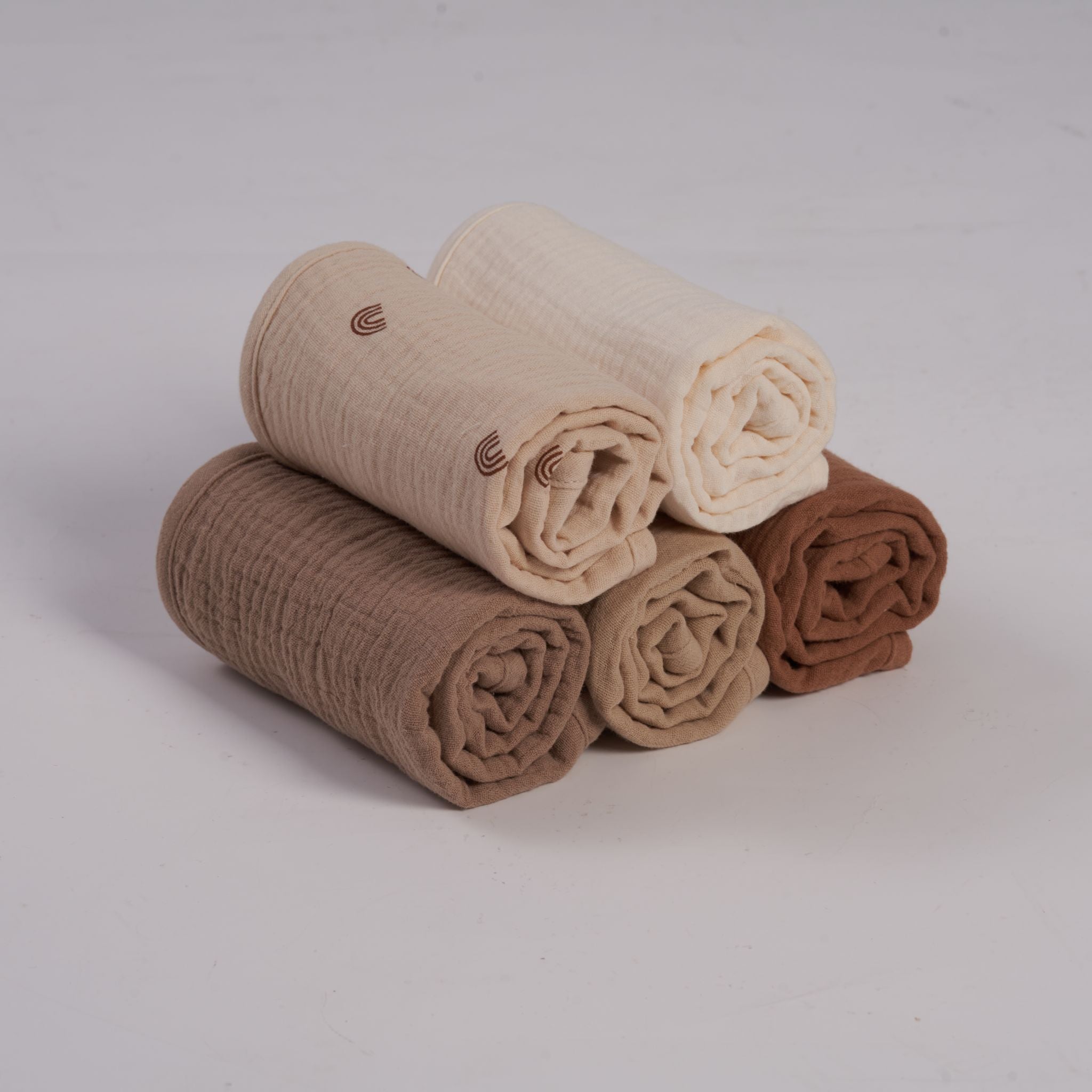
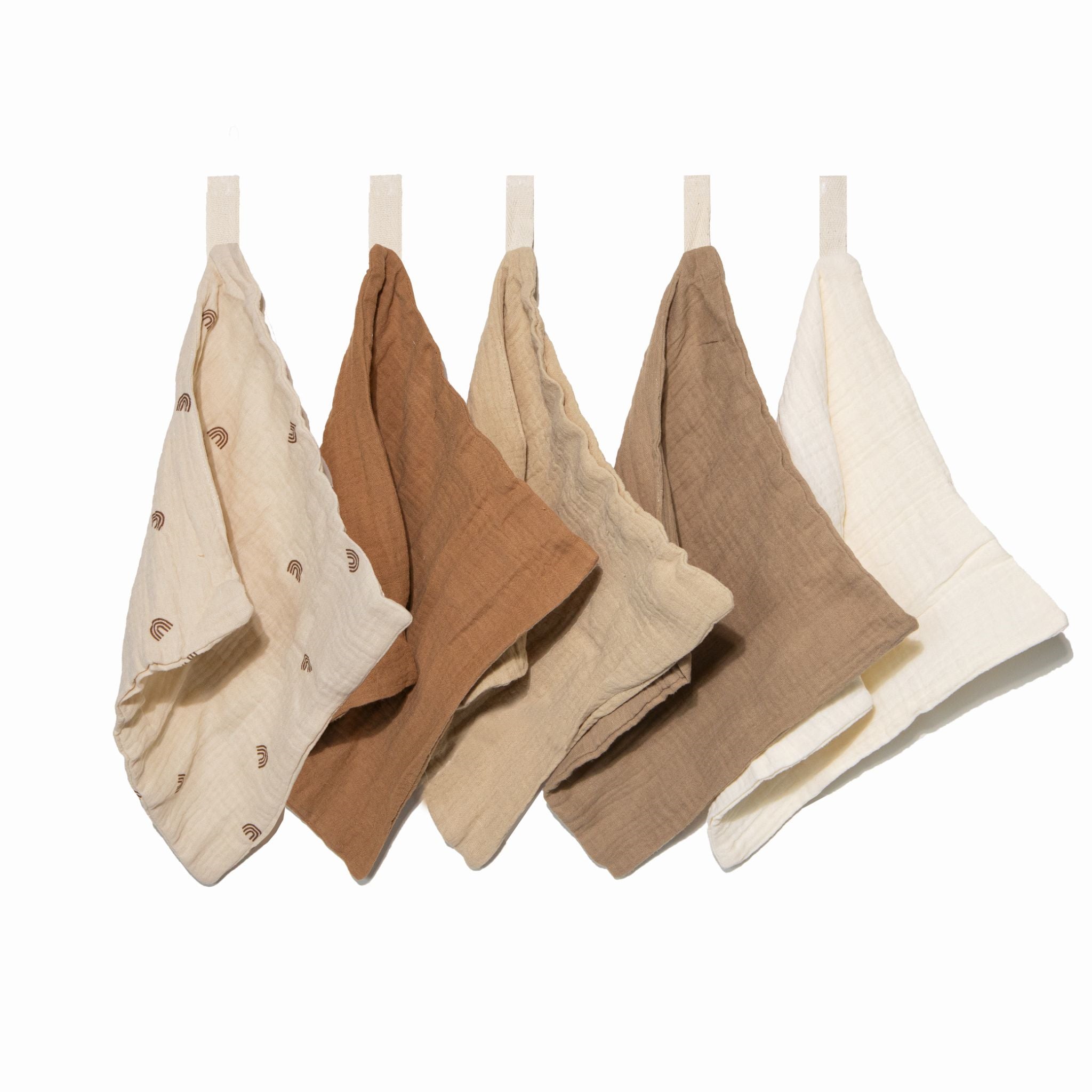
Newborns have a strong startle reflex. A snug swaddle mimics the feeling of the womb and stops those little arms from jerking them awake. That is why so many parents swear by our range of soft baby wraps in those early weeks. They settle babies quickly and extend sleep stretches.
But swaddling is a short-term tool. As your baby grows and develops, the swaddle needs to go.
Signs Your Baby Is Ready for the Swaddle to Sleep Bag Transition
Watch for these cues. Any one of them is enough to start the transition.
- Rolling attempts. If your baby is trying to roll, stop swaddling immediately. A swaddled baby who rolls onto their tummy cannot push themselves back up. This is a serious safety risk.
- Breaking out of the swaddle repeatedly. If your baby escapes every night, their body is telling you they need more freedom to move.
- Waking more than usual. Some babies start fighting the swaddle around 3 to 4 months. What once settled them now frustrates them.
- Increased leg and arm movement during the day. Babies who are exploring their bodies need that same freedom overnight.
Most health guidelines recommend stopping swaddling by 4 to 6 months at the latest. Rolling ability is the hard deadline, regardless of age.
How to Transition From Swaddle to Sleep Bag
Going cold turkey works for some babies. Others need a gradual approach. Here are two methods that actually work.
Gradual method. Start by leaving one arm out of the swaddle at sleep time. Do this for 3 to 5 nights. Then leave both arms out. By the end of week two, most babies have adjusted and you can move fully to a sleep bag.
Cold turkey method. Pop your baby straight into a sleep bag from day one. Pair it with a consistent wind-down routine, a full feed, and a dark room. Many babies adjust within 3 to 5 nights. Some manage it from the very first sleep.
Either way, a consistent bedtime routine matters more than the method you choose. Warm bath, feed, dim lights, sleep bag on. The routine signals sleep, and the sleep bag becomes part of that cue over time.
Choosing the Right Sleep Bag
Not all sleep bags are created equal. A few things to check before you buy.
- TOG rating. This is the warmth rating of the bag. A 0.5 TOG suits warmer months or a heated room. A 2.5 TOG is better for cooler nights. Match the TOG to your room temperature, not the season.
- Fit. The neck hole should be snug enough that your baby cannot slip down inside. Check the weight and height guide on the packaging, not just the age.
- Shoulder poppers or a zip. Both work. Zip-up bags tend to be easier for night nappy changes without fully waking your baby.
- Natural fibres. Cotton and bamboo are breathable and gentle on sensitive skin. Avoid thick synthetic fills for newborns and young babies.
If you are thinking about sizing as your baby grows, our guide on when to move up in baby clothing sizes covers how to approach sizing across sleepwear and everyday clothes.
What About Naps During the Transition?
Start with overnight sleep first. Nights tend to go more smoothly because babies are more overtired and ready to settle. Once overnight is sorted, shift daytime naps to the sleep bag too. Keeping the approach consistent across all sleep times helps your baby adjust faster.
Travelling or Using Daycare During the Transition?
If your baby is starting childcare around this time, it is worth looping in your educators so they follow the same routine. Our daycare and travel bedding pack list is a handy reference for what to pack and what to ask about sleep setups away from home.
How Long Does the Transition Take?
Most babies settle into a sleep bag within one to two weeks. Some adjust in a few nights. A few take a little longer, especially if they were heavy sleepers in the swaddle. Stick with it. Consistency is the thing that makes the difference.
If you are still using a stretchy wrap for settling or babywearing during the day, that is completely fine to continue. Wraps versus structured carriers is a separate decision to the overnight sleep setup. Many parents use both well into the first year.
The swaddle to sleep bag move is one of those transitions that feels bigger than it is. A little patience, a consistent routine, and the right sleep bag and most babies take it in their stride.